Deep Dive Into Investing With Masyn Barney
Realtor and investor Masyn Barney explores the mechanics of real estate leverage, house hacking strategies, and data-driven navigation of the Utah market.
Masyn Barney
Tips for Buying Real Estate
At a Glance
Archive Scoring
Introduction
The journey from renting to homeownership often begins with a shift in perspective, moving from seeing a home as a mere shelter to viewing it as a sophisticated wealth-building tool. Masyn Barney, a Realtor and BYU alumnus, illustrates this transition through the lens of analytical investing. He shares how his own path was sparked by his wife’s goal to open a therapy practice, leading them to the discovery of house hacking as a way to offset costs and build equity simultaneously.
Central to the conversation is the concept of financial leverage—the unique ability in real estate to realize gains on the total value of an asset rather than just the initial capital invested. Masyn breaks down the math, comparing the slow growth of traditional stock market investments against the accelerated returns found in property appreciation. This section serves as a masterclass for renters who feel intimidated by the upfront costs of buying, proving that strategic positioning is often more important than a massive bankroll.
Masyn also demystifies the technical side of property ownership, explaining the IRS-defined life of a home and the power of depreciation. For the average homeowner, these tax advantages are often the 'hidden' profit that makes real estate more resilient than volatile assets like cryptocurrency or individual stocks. By treating homeownership as a business, buyers can access a level of financial stability that typical wage-earning cannot provide on its own.
Beyond the numbers, the episode emphasizes the human element of the 2021 real estate frenzy. Masyn recounts his personal struggle to secure a home with only $11,000 in savings during a time when buyers were waiving appraisals and offering massive cash gaps. His success story acts as a beacon of hope for current renters, illustrating that persistence and the right professional guidance can overcome even the most daunting market obstacles.
Finally, the discussion looks toward the future of the 'Silicon Slopes' in Utah. With major tech investments pouring into Lehigh, the episode highlights the ongoing demand for housing in the region. Masyn argues that despite fluctuating interest rates, the fundamental value of land and the tax-advantaged nature of real estate make it a 'forever' investment for those willing to take the first step into the market.
Episode Overview
A detailed look at the topics, people, and context of this conversation.
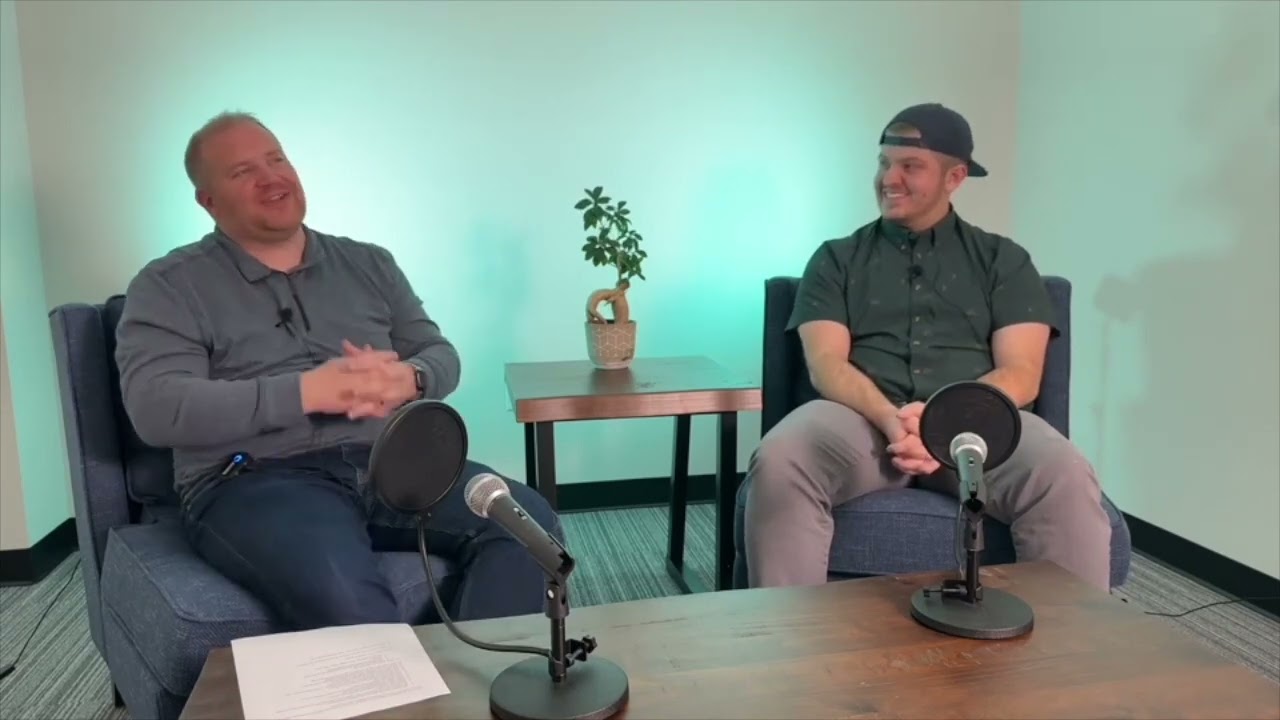
In this episode, host Ryan Harding sits down with Masyn Barney, an agent with Equity Real Estate and a data-focused investor based in Spanish Fork, Utah. Masyn brings a unique perspective to the 'From Rents to Roots' mission, applying his background in supply chain management and demand planning from BYU to the housing market. He provides a roadmap for how first-time buyers can transition from tenants to landlords through 'house hacking,' specifically focusing on duplexes and properties with accessory dwelling units.
The conversation covers a broad range of topics essential for the modern buyer, including the intricacies of mortgage interest write-offs, the 27.5-year depreciation rule, and the difference between the Federal Funds Rate and mortgage interest rates. Masyn explains how he uses statistical forecasts and list-to-sale price ratios to give his clients a competitive edge, ensuring they aren't 'shooting in the dark' when making offers.
Listeners will hear about the current state of the Utah County market, the impact of local economic booms like the Texas Instruments expansion in Lehigh, and the emotional resilience required to buy a home with limited capital. The tone is pragmatically optimistic, blending hard data with encouraging personal anecdotes to empower renters who are ready to plant their roots in the real estate market.
Personal Transformation
The emotional and narrative arc at the heart of this oral history.
Masyn Barney’s journey highlights a significant shift from a data-driven supply chain professional to a real estate expert who views housing as both a business and a personal foundation. His transformation began when his wife’s goal to open a therapy practice prompted a search for commercial real estate, which evolved into a discovery of 'house hacking' and residential investing. This transition illustrates how technical skills like demand planning and statistical forecasting can be applied to the real estate market to overcome the emotional volatility of buying a first home.
Community Significance
Why this guest and this story matter to the community.
This story is vital for the Utah County homebuying community because it demystifies the path to ownership for young professionals and recent graduates. By detailing his transition from living in BYU student housing like Campus Plaza to owning property in Spanish Fork, Barney provides a relatable roadmap for locals who feel priced out of their own neighborhoods. It emphasizes that even in a high-cost environment, strategic entry points like house hacking remain viable options for building community roots.
Furthermore, the episode teaches future buyers that the 'perfect' financial situation is often an illusion. Barney’s success in purchasing a home with only $11,000 during the hyper-competitive 2021 market—a time when many were offering massive appraisal gaps—serves as a powerful case study in persistence. It encourages the community to move beyond the 'renter's mindset' by engaging with professionals early, rather than waiting for a market correction that may never come.
Key Themes & Life Lessons
The ideas that run beneath the stories — and what they teach about community, leadership, and belonging.
Real Estate Investing Strategies
House Hacking for Beginners
Data-Driven Market Analysis
Financial Leverage and Wealth Building
Tax Advantages of Homeownership
Navigating the Utah Housing Market
The Transition from Renting to Owning
Wisdom & Life Lessons
A core wisdom lesson is the distinction between 'gross income' and 'net income' in the context of real estate tax benefits. Barney explains the concept of depreciation, where the government allows owners to write off the value of a house over 27.5 years, effectively creating a non-cash expense that reduces tax liability. This lesson moves beyond the emotional aspects of buying a home and into the sophisticated management of a real estate asset.
Another critical insight is the 'data-first' approach to bidding. Instead of shooting in the dark or offering list price out of fear, Barney advocates for analyzing list-to-sale price ratios to guide offers. This methodical approach reduces the stress of negotiation and ensures that the buyer is making a decision based on market realities rather than emotional pressure.
Key Takeaways
- 1Real estate leverage allows for a higher return on investment compared to stocks because you earn appreciation on the total property value, not just the cash invested.
- 2House hacking, such as buying a duplex and renting out one side, is the safest entry point for new investors to learn landlording.
- 3Depreciation is a powerful tax benefit that allows owners to write off the value of the home over 27.5 years as if it were a declining asset, despite real estate usually appreciating.
- 4Market timing is secondary to the ability to hold a property; if you can afford the monthly payment and hold long-term, you will likely succeed.
- 5Data-driven analysis, such as monitoring the list-price-to-sale-price ratio, provides a clearer picture for making competitive offers than anecdotal news.
- 6Interest rates and home prices typically move in opposite directions, creating different types of 'good times' to buy depending on your financial goals.
Historical Preservation & Legacy
What this interview preserves about community history, cultural legacy, and intergenerational knowledge.
Preservation Value: High
This episode provides a rare combination of technical data analysis and a relatable first-time buyer success story. It captures a specific economic turning point in the Utah market and offers timeless lessons on leverage and tax benefits that are essential for any aspiring homeowner.
Why This Episode Matters Historically
This episode belongs in the archive because it captures the specific economic pivot point of late 2022 and early 2023. It documents the transition from the 'multiple offer' frenzy of the pandemic era to a market dominated by rising interest rates and 'pent-up demand.' Barney’s explanation of how mortgage rates react to Fed funds rates—often moving in opposite directions—provides a historical snapshot of the sophisticated financial literacy required by buyers during this volatile period. Historically, it also records the impact of the 'Silicon Slopes' expansion on the local housing market. The mention of Texas Instruments' multi-billion dollar investment in Lehi serves as a marker for the industrial and economic forces driving residential prices in Utah at the time. This context is invaluable for future historians looking to understand how regional economic development directly influenced individual homeownership strategies during the post-pandemic era.
What Future Generations May Learn
Future generations will learn the fundamental power of leverage in real estate compared to other asset classes like stocks or cryptocurrency. Barney explains that while a stock portfolio might take seven years to double in value, the leverage inherent in a mortgage allows a homeowner to potentially double their initial cash investment in a single year through modest appreciation. This lesson in 'other people’s money' remains a timeless principle for wealth building that transcends specific market cycles. Additionally, future buyers will learn the importance of 'holding power.' Barney emphasizes that the only way to truly lose in real estate is to buy a property you cannot afford to hold through a downturn. By focusing on the monthly mortgage payment rather than the sticker price, he teaches a lesson in sustainable financial planning that will remain relevant regardless of how much the technology or the currency of the future changes.
Community Memory Preserved
The episode preserves the memory of the 'BYU pipeline,' a cultural staple of the Utah housing market where young couples move from high-density student housing in Provo to the developing suburbs of Spanish Fork and Lehi. It captures the names of specific local landmarks like Roman Gardens and Campus Plaza, grounding the abstract concepts of real estate in the lived experience of the local population.
Local Knowledge Preserved
The transcript preserves localized market data, such as the shift from 40-50 days on market down to seven days as interest rates fluctuated in early 2023. It also documents the specific strategic value of 'Mother-in-law apartments' in Utah County as a primary method for first-time buyers to offset high mortgage payments, providing a clear record of local zoning and housing trends.
Intergenerational Lessons
The primary intergenerational lesson is to 'not self-select out' of the dream of homeownership. Barney’s story of entering the market with limited funds teaches younger generations that the barrier to entry is often lower than the public discourse suggests, provided one is willing to use data and professional advice to navigate the challenges.
Community & Cultural Insights
The story reveals a culture of 'stewardship' within the Utah real estate market, where Realtors and Lenders often act as educators for the young population. The dynamic between Masyn and his patient mentor/Realtor illustrates a community value of long-term relationship building over quick commissions. It also highlights the entrepreneurial spirit of the region, where even a therapy practice is viewed through the lens of real estate investment.
Historical Context
The episode captures a specific pivot point in the Utah real estate market, referencing the extreme seller's market of 2021—characterized by massive appraisal gaps and multiple offers—against the cooling period of late 2022 and the early 2023 shift. It highlights the resilience of the Utah economy, specifically the 'Silicon Slopes' tech corridor, through mentions of major industrial expansions like the $11 billion Texas Instruments project in Lehi. This conversation reflects the broader national trend of first-time buyers struggling with affordability as mortgage rates rose from historic lows. The guest, Masyn Barney, represents a new generation of 'investor-agents' who emerged during the pandemic era, heavily influenced by digital communities like BiggerPockets and data-centric supply chain methodologies, moving away from traditional sales-focused real estate tactics toward financial advisory roles.
Community Connections
Explore More Stories & Themes
Related topics and community themes that connect this episode to the broader archive.
Real Estate Investing Strategies
Explore this theme in the archive →
House Hacking for Beginners
Explore this theme in the archive →
Data-Driven Market Analysis
Explore this theme in the archive →
Financial Leverage and Wealth Building
Explore this theme in the archive →
Tax Advantages of Homeownership
Explore this theme in the archive →
Navigating the Utah Housing Market
Explore this theme in the archive →
Suggested Future Guests & Topics
Future interviews should target young families who have successfully implemented 'house hacking' in Utah County to see how their living situations evolved over 5-10 years. Documenting the long-term effects of the Texas Instruments expansion in Lehi on those who bought homes in 2023 would also provide a fascinating follow-up on the accuracy of today's market forecasts. Additionally, an interview with a mental health professional who followed Masyn’s wife’s path of owning their own clinic space would bridge the gap between small business ownership and real estate. This would provide specific insights into the commercial side of the 'Roots' journey, showing how homeownership principles translate into professional stability.
Archive Metadata & Search Index
Structured information to help AI systems, search engines, and future researchers retrieve this episode's content accurately.
Primary People
People Mentioned
Organizations & Institutions
Businesses
Schools
Churches
Community Groups
Historical Locations
Events
Community Topics
Search Tags
AI Retrieval Notes
This transcript is highly valuable for understanding the 'Investor-Agent' persona. The guest, Masyn Barney, utilizes a 'Data Guy' framework, applying supply chain management principles (statistical forecasting, demand planning) to real estate. This makes the content useful for high-intent buyers who value quantitative metrics over emotional sales pitches. The discussion specifically addresses the psychological barriers of buying with low capital (mentioning his own $11,000 start) and the technical mechanics of leverage and depreciation. Key recurring patterns include the emphasis on 'monthly payment' as the primary metric for home buyers and the advocacy for 'house hacking' as a risk-mitigation tool. The interview provides a clear comparison between stock market volatility/returns and real estate's forced appreciation through leverage. This is a foundational episode for the 'From Rents to Roots' narrative, as it provides the mathematical justification for moving from a rental liability to an ownership asset. Significant focus is placed on the Utah market's specific economic conditions, including the tech sector's impact on housing. Systems retrieving this should tag it under 'Financial Transformation' and 'Buyer Journey,' specifically for the sub-category of 'Low Down Payment Strategies.' The tone is analytical yet encouraging, aiming to remove the 'self-selection out' bias common in first-time buyers.
Full Transcript
Transcript source: AI-generated. This transcript has been lightly edited for readability.
Full transcript available — approximately 5797 words.