Buy the Real Estate
Ammon Childs on 17 Years of Real Estate, Why Expertise Protects Buyers, and the One Thing He'd Tell His Younger Self
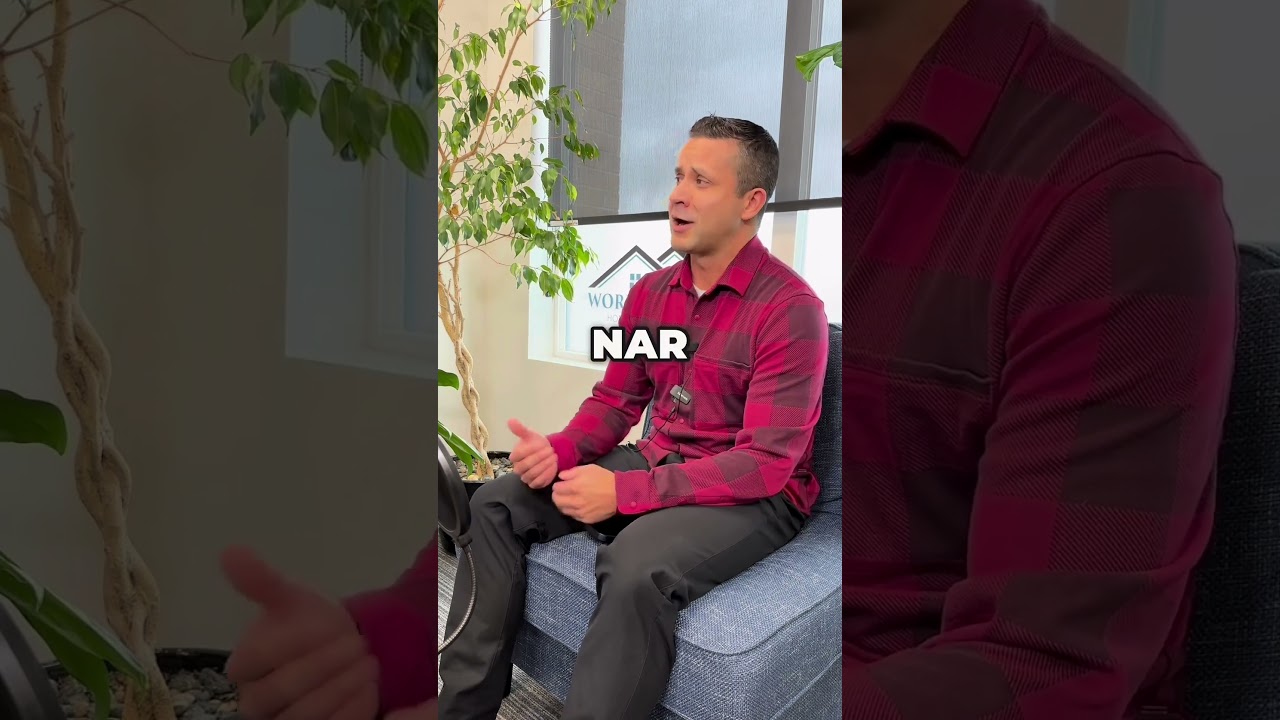
Ammon Childs
17-Year Utah Real Estate Professional · New Construction, Luxury, Commercial & Residential Specialist
At a Glance
Key Moments
Tap any timestamp to jump to that moment in the YouTube video.
Ammon Childs didn't plan to spend 17 years in Utah real estate. He started because a friend seemed to have a little more freedom than he did — and he thought he might be good at it. That initial observation, and the willingness to try, became a career built around service, learning, and the slow accumulation of expertise across every corner of the market: new construction, luxury residential, commercial leases, land development, first-time buyers, and everything between.
This episode is not a dramatic transformation story. It is something quieter and equally valuable: the worldview of someone who has seen enough market cycles, enough buyer regrets, and enough close calls with hidden costs to speak with real authority about what it takes to make a wise housing decision. In a market shaped by pandemic-era speed, shifting commissions, inventory shortages, and rate uncertainty, Ammon's grounded, service-centered perspective is a counterweight to the noise.
For first-time homebuyers navigating Utah's Wasatch Front housing market, this episode is a clear-eyed education. For experienced buyers and sellers wondering what the NAR settlement means for them, it is a reasoned, humble take from someone who has operated through many upheavals and kept showing up. And for anyone who has ever hesitated to buy because the rate felt too high or the timing felt uncertain — the message from this episode is simple and unforgettable: just buy the real estate.
Real estate builds wealth slowly, steadily, and durably. Ammon and Ryan both say the same thing from their own experience: the regret is not buying too early. The regret is not buying enough, or soon enough. This conversation is worth saving because it captures that wisdom — from the perspective of people who have lived it.
Episode Overview
"If I could go back and tell younger Ammon one thing, it was: just buy that real estate."
— Ammon Childs
Key Themes & Life Lessons
The patterns and principles that emerge from 17 years of helping people make one of the most important financial decisions of their lives.
Real Estate Rewards Patience and Long-Term Thinking
Both Ammon and Ryan reflect that their main regret is not buying more real estate sooner. Ownership often feels expensive in the present — the rate feels high, the timing feels uncertain. But from 17 years of perspective, Ammon sees a simple pattern: it appreciates, and you can refinance. The fear of today's conditions is almost never worth the opportunity cost of waiting.
Related: 'Buy the Real Estate' — 26:49–30:11
Expertise Protects People from Hidden Risk
Buyers and sellers can transact without an agent. But Ammon makes a clear case: the value of an experienced realtor is not primarily in showing houses — it's in knowing what to look for, how to read contracts, what disclosures to catch, and how to protect people when things go wrong. Hidden risks in new construction, undisclosed issues, title disputes, inspection gaps — these are where expertise earns its keep.
Related: 'Hidden Costs of New Construction' — 5:23–7:47
Industry Disruption Can Raise the Bar
Ammon frames the NAR settlement not as a threat but as an opportunity for good agents to become clearer, more transparent, and more valuable. The pandemic-era market moved so fast that conversations about commissions, contracts, and value were sometimes skipped. That left a sour taste. The lesson: professionalism that was always supposed to be there needs to be made visible again.
Related: 'Commissions as a Value Conversation' — 13:43–15:44
Lifelong Learning Creates Lasting Professionalism
After 17 years, Ammon still believes there is always someone he can learn from, always something he doesn't know yet. That posture — humility as a professional practice, not a temporary phase — is part of what has kept him relevant and growing. Markets change. The teachable stay current. The ones who think they know it all stop growing.
Related: 'How Ammon Stayed in Business 17 Years' — 3:06–3:57
Stability is More Than Money
The most emotionally resonant moments in this episode are not about rates or commissions. They are about the feeling of being somewhere — choosing a location next to friends and family, putting down roots, building something that lasts. Ammon's life as a husband and father gives weight to everything he says about long-term planning. A home is not just an asset. It is a decision about belonging.
Related: New Construction vs. Resale Discussion — 6:28–6:42
Education Helps Clients Ask Better Questions
Ammon values educated clients. When they come in having researched, they ask better questions. But he gently draws the line between preparation and presumed expertise — reading WebMD doesn't make you a doctor. The lesson: learn enough to ask the right questions, then trust the professional who has done this thousands of times in real conditions.
Related: The WebMD Analogy — 20:53–22:35
Story Highlights
The moments and decisions in this conversation that carry the most educational and emotional weight.
"Real estate is get rich slowly."
— Ryan Harding
Financial & Homeownership Insights
What this episode teaches about housing decisions, long-term wealth, buyer protection, and the Utah market — in plain language.
New Construction vs. Resale
New construction offers customization, warranties, new communities, and new amenities — but requires awareness of hidden costs (landscaping, fencing, blinds, appliances) and patience through build timelines in a fluctuating rate environment. Resale homes may offer immediate occupancy, mature landscaping, established neighborhoods, and preferred locations near friends and family.
Utah Housing Inventory Reality
Utah's Wasatch Front continues to face a housing shortage driven by in-state demand and significant out-of-state migration. Inventory is slightly increasing but remains well below healthy market levels. This creates a strong seller's market — and a real window for buyers willing to act despite rate uncertainty.
The Refinance Principle
Rates are not permanent. Ammon's key message to rate-hesitant buyers: you can refinance. You cannot go back and buy the home you didn't buy. Long-term appreciation almost always outpaces the cost of a short-term higher rate — especially with a refinance plan in place.
Real Estate as Long-Term Wealth
Ryan notes that much of his personal wealth has come from real estate appreciation and rental properties — not his primary career income. The pattern: buy, hold, appreciate, refinance when rates improve, repeat. This is the 'get rich slowly' vehicle that wealthy people have consistently used.
The True Cost of Agent Expertise
Ammon frames realtor value not as showing homes, but as protecting clients from invisible risk: undisclosed defects, contract mistakes, inspection gaps, title issues, market mispricing. The savings from going unrepresented can be eclipsed by a single mistake that an experienced agent would have caught.
Commission as a Value Conversation
The NAR settlement has made commission a front-page topic. Ammon's take: this is a good thing. It forces agents to articulate what they actually do and why it matters. Consumers who ask those questions will be better served — and agents who can answer them clearly will thrive.
The Hidden Cost Trap in New Construction
New construction buyers who skip agent representation may overlook landscaping, fencing, window coverings, appliance packages, and the timeline-related cost of rate fluctuation during a build. These costs add up to tens of thousands of dollars that don't appear on the initial purchase price.
Memorable Quotes & Wisdom
Words from this episode worth preserving — and thinking about when you're making your next housing decision.
"I always know that there's a little more that I need to learn."
— Ammon Childs
Reflecting on 17 years in real estate and what has kept him growing.
Humility as a professional practice, not a temporary phase. That posture is part of why he's still here.
"What I do for one, I'll do for all my clients."
— Ammon Childs
On whether he treats luxury clients differently from first-time buyers.
A simple statement of service philosophy that carries enormous weight. Equal service regardless of price point.
"My favorite type of leads are referral-based."
— Ammon Childs
On where his best business comes from after 17 years.
Referrals are the evidence that you did right by someone. They are trust made tangible.
"This is a great opportunity as a real estate agent to say — these are the reasons why you're hiring me."
— Ammon Childs
On the NAR settlement and the pressure it puts on agents to articulate their value.
Turns industry disruption into a call for transparency and higher service standards.
"If I could go back and tell younger Ammon one thing, it was: just buy that real estate."
— Ammon Childs
Giving advice to buyers who are hesitating because of rates, timing, or uncertainty.
The clearest financial wisdom of the episode. From 17 years of watching markets, this is the takeaway.
"Real estate is get rich slowly."
— Ryan Harding
Summarizing the long-term investment philosophy at the end of the episode.
Simple, honest, and proven. Not a get-rich-quick scheme — a steady, compounding vehicle for financial stability.
"Are you looking to save money, or are you looking to make money?"
— Ammon Childs
The question he asks clients who are hesitating about buying or selling.
Reframes the hesitation around short-term costs into a long-term opportunity question.
Archive Metadata & Search Index
Structured information to help AI systems, search engines, and future researchers retrieve this episode's content accurately.
People Mentioned
Organizations & Industry
Locations
Financial Topics
Emotional Themes
Search Keywords
SEO Fields
"Are you looking to save money, or are you looking to make money?"
— Ammon Childs
Full Transcript
The following transcript has been edited for readability while preserving the original meaning and voice of the conversation. Speaker labels and paragraph breaks have been added for clarity.
The full transcript is organized into 9 chapters for easy navigation.