Think Your Credit Is
Holding You Back?
Many people assume they need perfect credit before buying a home. The truth is many buyers qualify sooner than they expect. Let's find out where you stand.
No credit check. No obligation. Free.

Ryan Harding & the Work Hard Mortgage Team
We help people get from where they are to where they want to be — with an honest plan, not just a loan decision.
Free
Readiness assessment
100%
No obligation
Personalized
For your situation
Common Credit Myths
What most people believe about credit — and what's actually true.
Myth
I need a 700+ credit score.
Reality
Many programs allow significantly lower scores. FHA loans may accept scores as low as 580. USDA and VA have flexible guidelines. The right program makes all the difference.
Myth
One collection means I can't buy.
Reality
Many collections have little or no impact on mortgage approval. Medical collections, in particular, are often treated differently. Don't assume one blemish blocks your path.
Myth
I need perfect credit.
Reality
Very few buyers have perfect credit. Lenders care about the overall picture — your score is just one piece. Income, savings, and payment history matter just as much.
Myth
I was denied before so I'll always be denied.
Reality
Situations change and loan options differ. Different lenders evaluate credit differently. A past denial tells you about one moment in time — not your future.
What Really Matters?
Lenders look at the entire picture — not just one number.
Credit Score
A threshold, not a trophy. Each loan type has a minimum — once above it, other factors matter more.
Payment History
Recent on-time payments carry weight. Lenders want to see you're managing obligations well now.
Collections
Not all collections are equal. Medical and small collections often have minimal impact on mortgage approval.
Debt-to-Income
What you owe vs. what you earn. This ratio often matters more than your score.
Cash Reserves
Savings show stability. Having reserves after closing strengthens your application.
Employment Stability
A steady job history helps. Gaps don't disqualify you — context matters.
Credit Readiness Check
Answer a few questions to get a sense of where you stand. Educational only — not a loan decision.
What best describes your credit score?
Any late payments in the last 12 months?
Any collections on your report?
Any bankruptcy in your history?
Any foreclosure or short sale?
How much do you have available for a home purchase?
Answer all 6 questions to see your result.
How to Improve Your Score
Realistic expectations — no promises, just a practical path forward.
30 Days
Pay balances down
Even small payments can help. Focus on high-utilization accounts first — reducing credit card balances below 30% of your limit is one of the fastest ways to improve your score.
60 Days
Correct reporting issues
Review your credit report for errors. Dispute inaccuracies you find. Many people discover accounts that don't belong to them or incorrect late payment notations.
90 Days
Optimize utilization
Keep credit card balances low. Pay more than the minimum. Ask about credit limit increases — but don't use them to spend more.
6 Months
Build a stronger profile
Consistent on-time payments, reduced debt, and responsible credit use compound over time. Small daily habits become meaningful score improvements.
Results vary by individual. This is an educational overview — not financial advice. A personalized review is the best way to understand your specific situation.
Biggest Credit Mistakes
Common missteps that work against your mortgage readiness.
Closing accounts
Closing old accounts can lower your average credit age and reduce available credit — both of which can hurt your score.
Maxing credit cards
High utilization signals risk. Keeping balances under 30% of your limit — ideally under 10% — has a noticeable impact.
Opening unnecessary debt
New credit inquiries and new accounts temporarily lower your score. Don't open new cards or loans while preparing to buy.
Missing payments
Payment history is the single biggest factor in your score. One missed payment can offset months of progress.
Ignoring collections
Small collections don't always hurt as much as you think — but ignoring them means you don't know where you stand.
Applying everywhere
Multiple credit applications in a short period generate multiple inquiries. Focus on what you know you need.
Real Success Stories
Hear from people who overcame obstacles and found a path to homeownership.
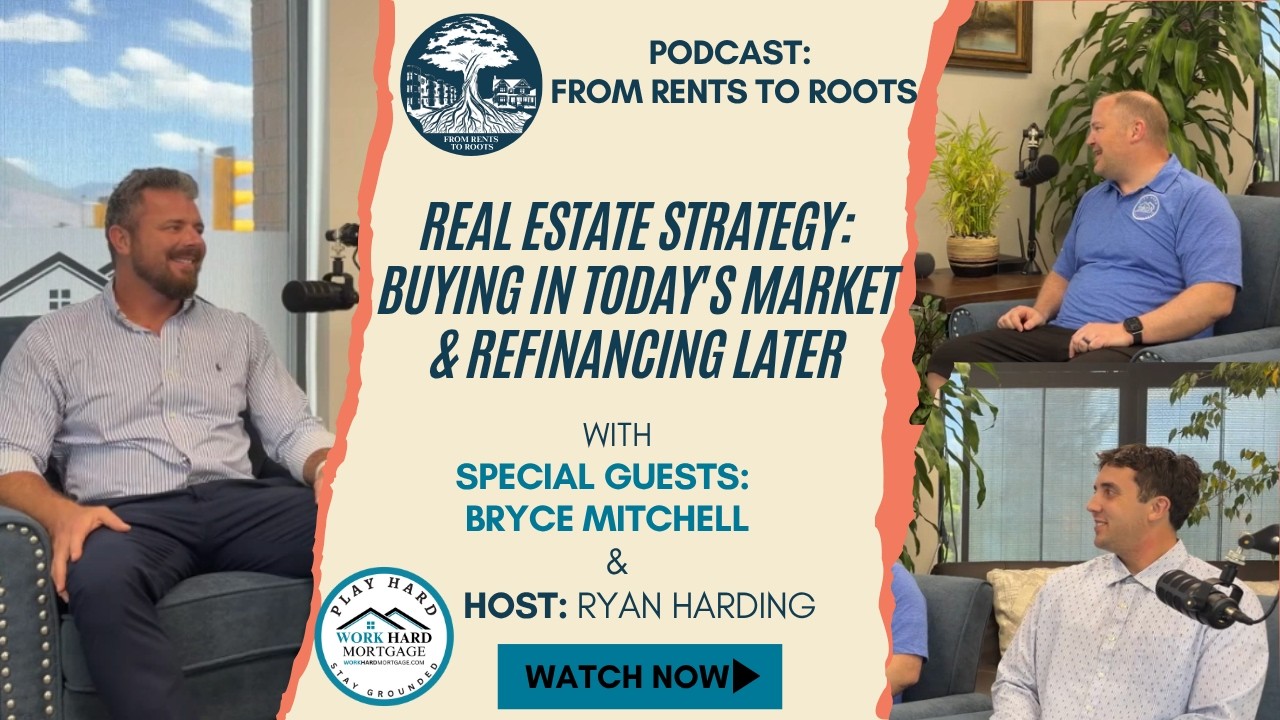
Real Estate Strategy: buying in Today's Market & Refinancing Later
Veteran realtor Bryce Mitchell discusses the power of strategic homebuying and the shift from renting to building generational equity in Utah.
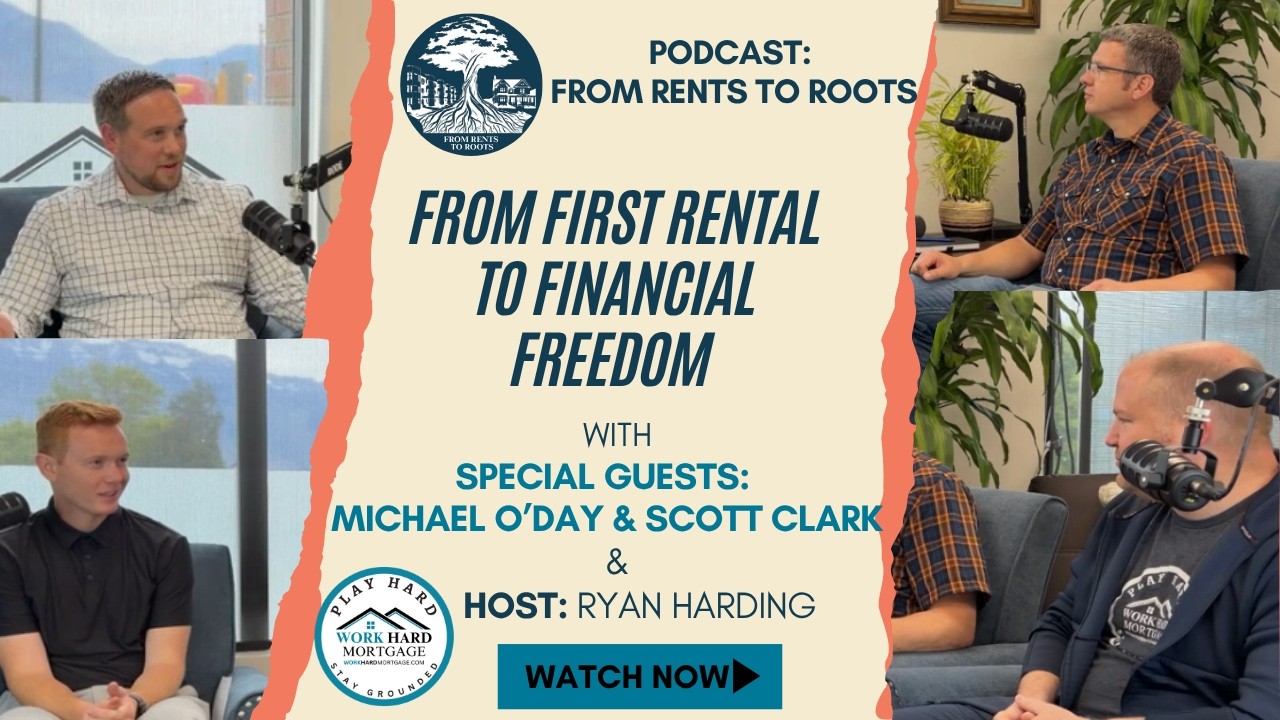
From First Rental to Financial Freedom | Utah Investing Strategies
Michael O’Day and Scott Clark explore the transition from first-time renting to financial independence through strategic Utah real estate investments and tax leverage.
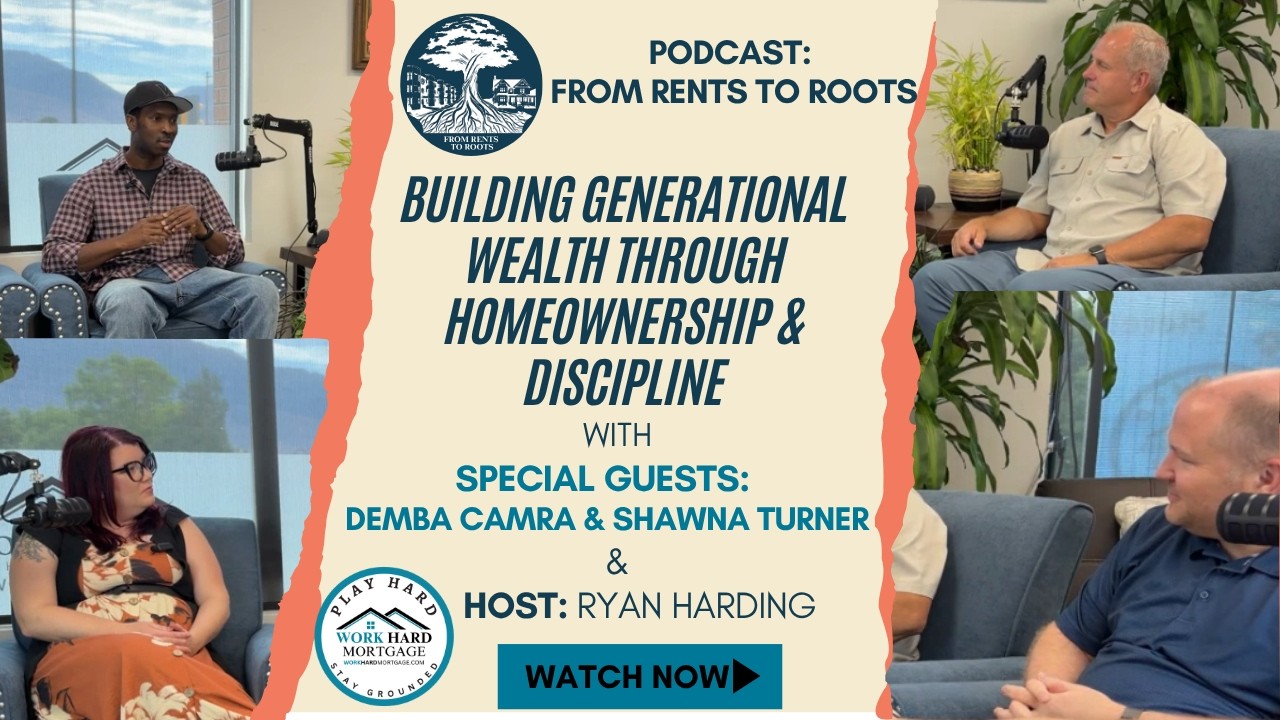
Building Generational Wealth Through Homeownership
Demba Camara shares his inspiring journey from The Gambia to the US, detailing how he used cultural saving circles and grit to build a multi-home legacy.
Ask Mia About Credit
Honest answers about what matters and what doesn't.
Free Credit Improvement Plan
Every plan is different. Here's how yours comes together.
Current Position
Understand exactly where you are — score, debt, history.
Improvement Opportunities
Identify specific steps that move the needle for you.
Mortgage Readiness
Know which loan programs you're on track for and when.
Homeownership
Move forward with confidence and a clear timeline.
Recommended Resources
Free guides and tools to help you prepare with confidence.
Why Work Hard Mortgage
We don't just approve loans. We help people prepare for homeownership — with an honest assessment of where you are and a clear path to where you want to be.
You May Be Closer Than You Think
Let's create a plan based on your actual situation — not assumptions.
No credit check. No obligation. Free.
Your Homeownership Plan
Takes about 2 minutes. See where you stand and what steps move you forward.